Mountain Bike 101

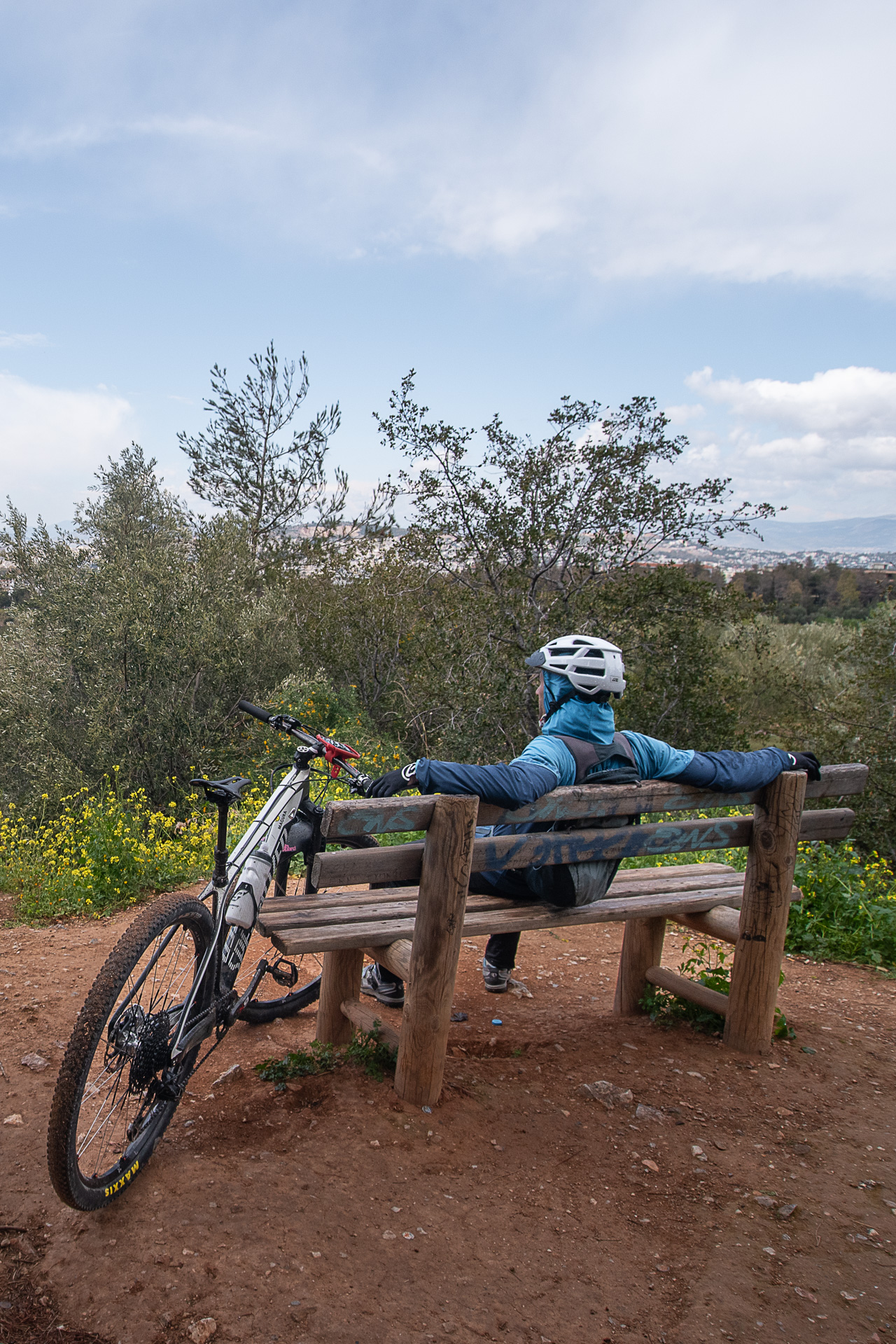
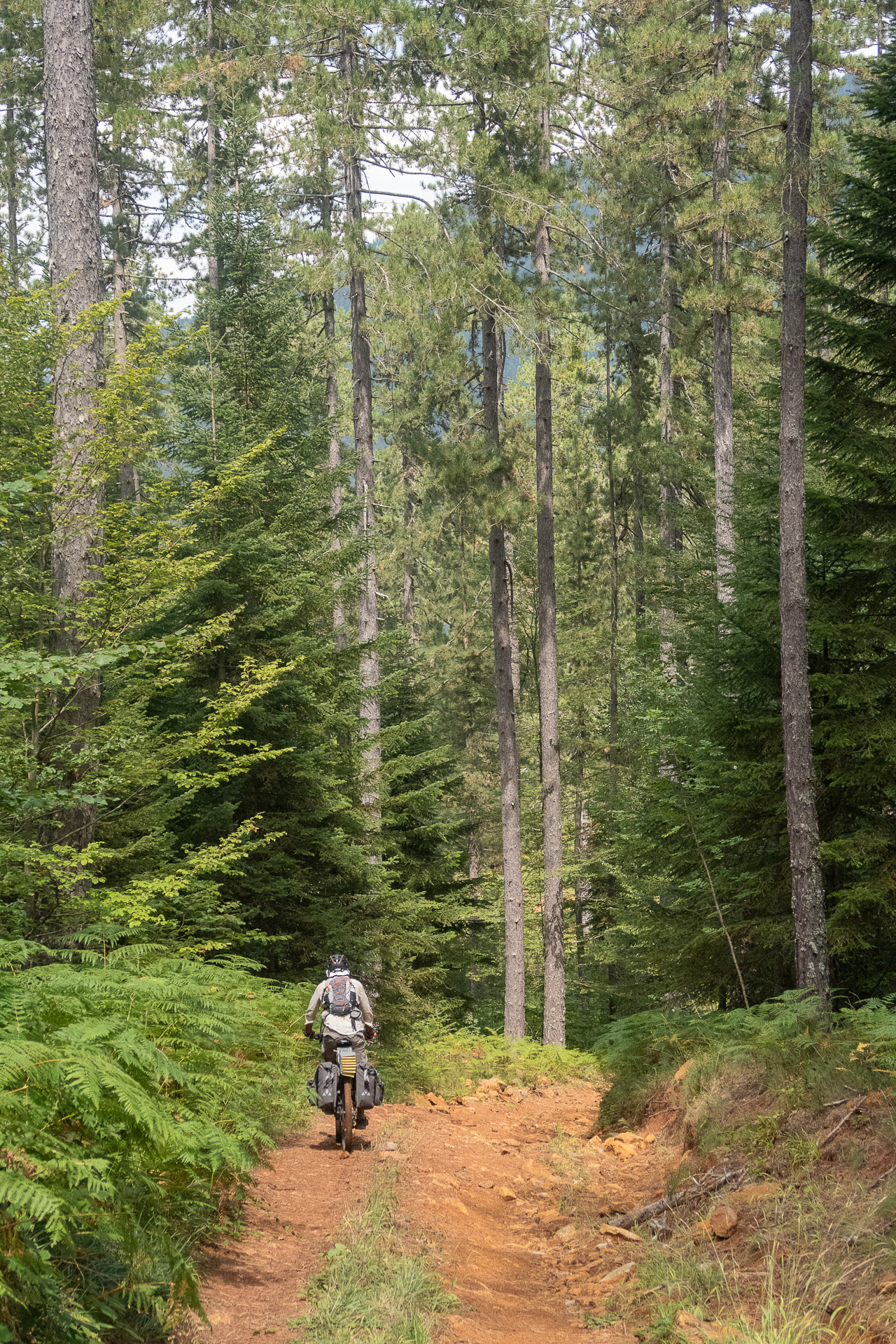
No matter which route you choose, the items you bring determine both your enjoyment and your safety. Your choice of bike (or route based on the bike you own), proper clothing and gear, as well as food and water, depends on the route characteristics and weather conditions.
BIKE
Regardless of type, your bike must be well-maintained, especially the drivetrain and brakes. Remember: the last place you want a serious mechanical failure is on a remote trail with no vehicle access.

HELMET
TOOLS & SPARE PARTS
Many mtb-greece routes are far from parking or bike repair shops. Carry essential tools and spare parts for common repairs to avoid long delays:
- Bike multi-tool
- Chain tool and 2–3 spare links
- Spare tube or repair kit
- Tire levers (×2)
- Hand pump
- Spare derailleur hanger
- Tie wraps
- Duct tape
The most common repair is a puncture. Tubeless tires with sealant often fix small punctures automatically, while large holes or tears may require tube replacement. Carrying a spare tube, tire levers, and a pump or CO₂ cartridge is essential.
A multi-tool is useful for adjusting the seat, brakes, or derailleur, while spare chain links and a derailleur hanger can prevent major disruptions. Tie wraps and duct tape occupy minimal space but can temporarily fix many issues.
FIRST AID KIT
- Large bandages
- Triangular bandage
- Sterile gauze
- Plasters
- Adhesive tape
- Disposable gloves
- Antiseptic solution
- Antiseptic wipes
- Safety pins
- Scissors
- Tweezers
- Emergency blanket
BACKPACK
GLOVES
FOOTWEAR
GLASSES
BODY PROTECTION
CLOTHING
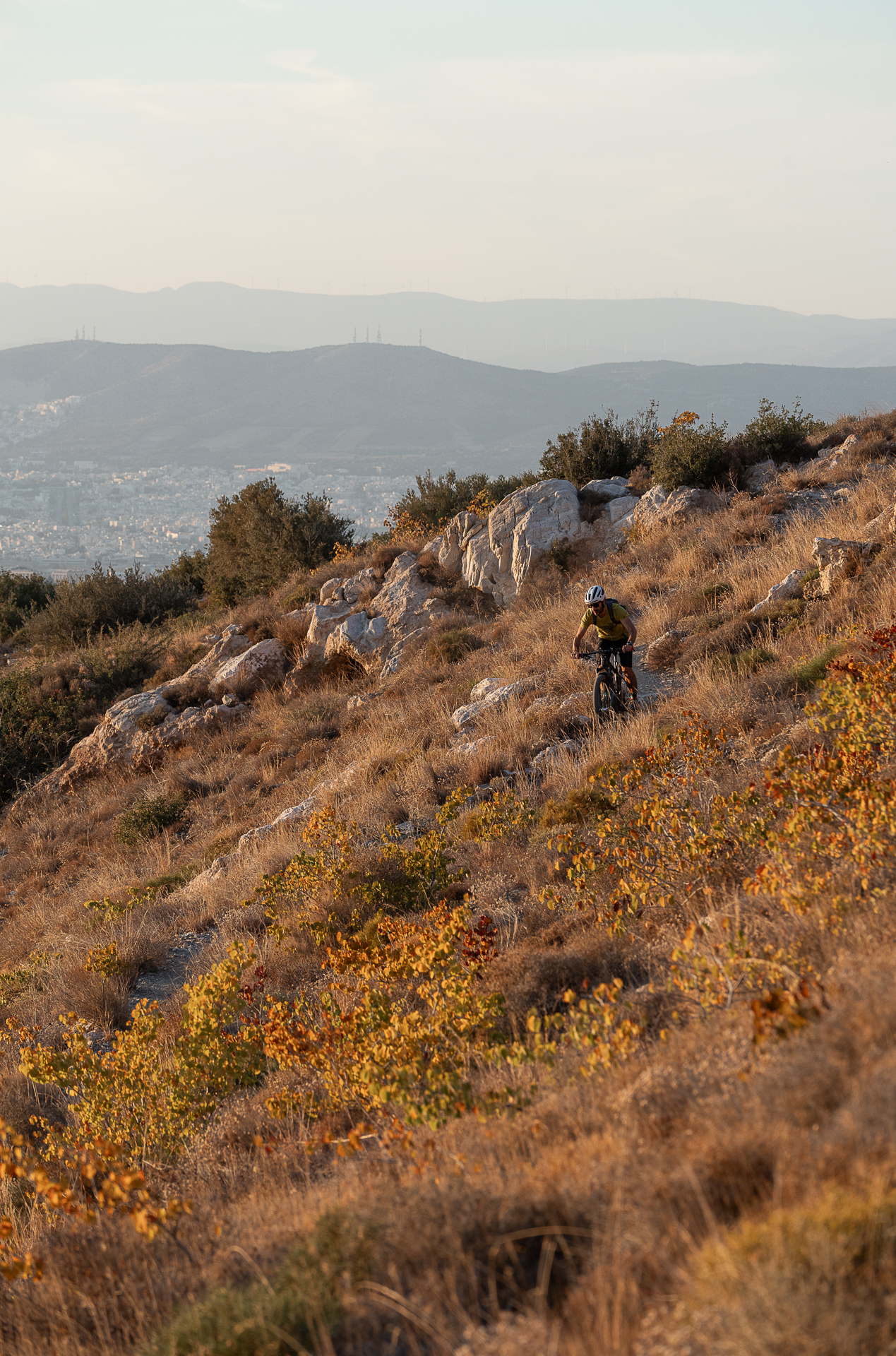
Windproof or waterproof jackets are recommended in winter and on high-altitude routes.
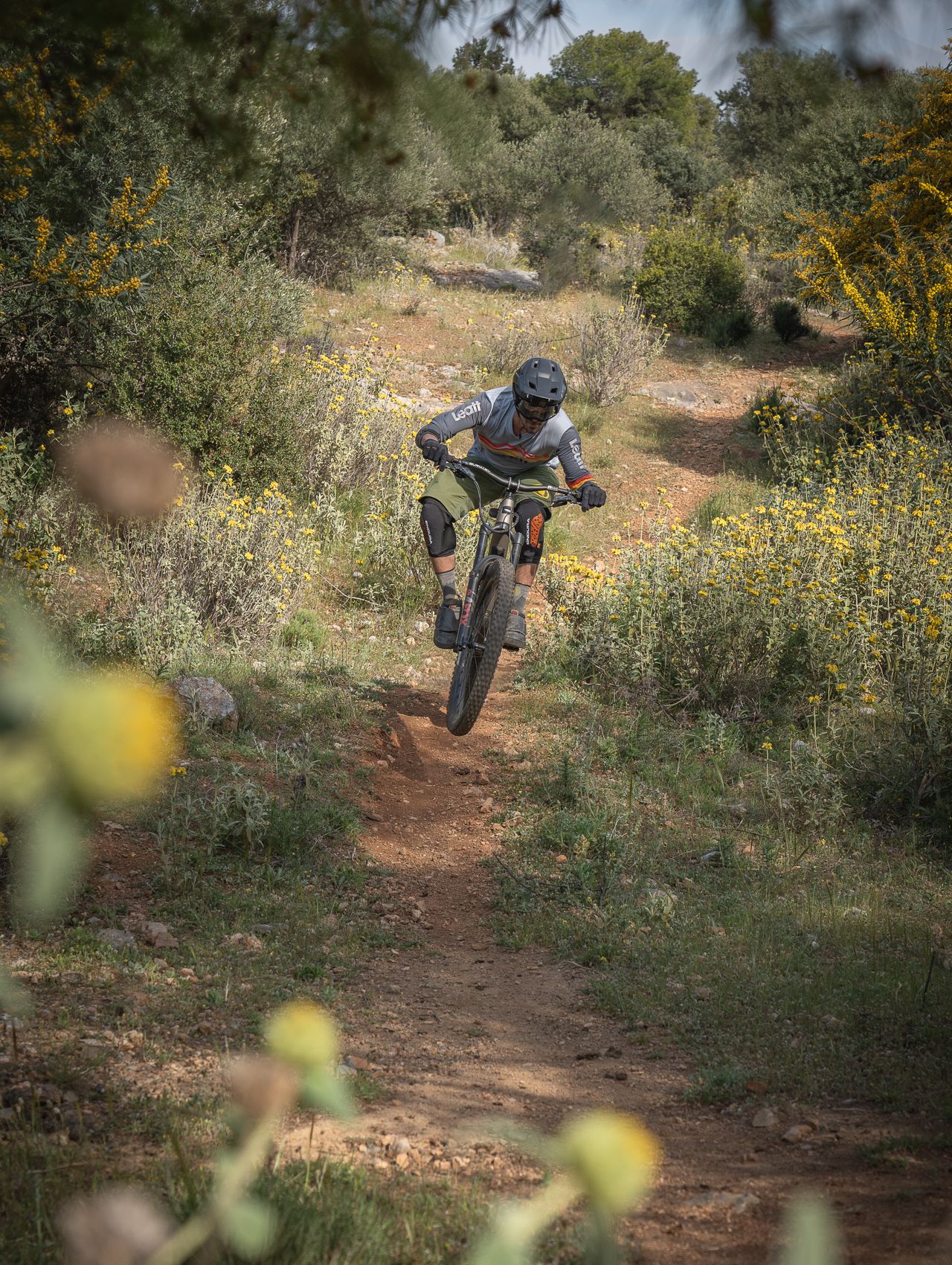

FOOD & HYDRATION
Energy gels, bars, and similar snacks are compact, lightweight, and provide immediate energy. Hydration is crucial for performance and endurance—use a hydration pack or bike bottles for regular intake. Electrolytes are especially important in summer. Drink water and electrolytes at regular intervals; thirst is already a sign of dehydration.
REST & RECOVERY
Post-ride recovery is equally important. Spend 10–15 minutes stretching to maintain muscle elasticity, hydrate properly with electrolytes, and take magnesium to aid muscle recovery, energy, and sleep. Your post-ride meal should include carbohydrates and protein for energy replenishment and muscle repair, along with antioxidant-rich foods to counter exercise-induced oxidative stress.