
THE MARBLE ROAD
KILOMETERS
DURATION
ELEVATION
PROPOSED SEASON
DIFFICULTY
PHYSICAL CONDITION
TECHNICAL DIFFICULTY
STARTING POINT
Author:
G. Koutrotsios
Photos:
G. Koutrotsios - V. Karalaios
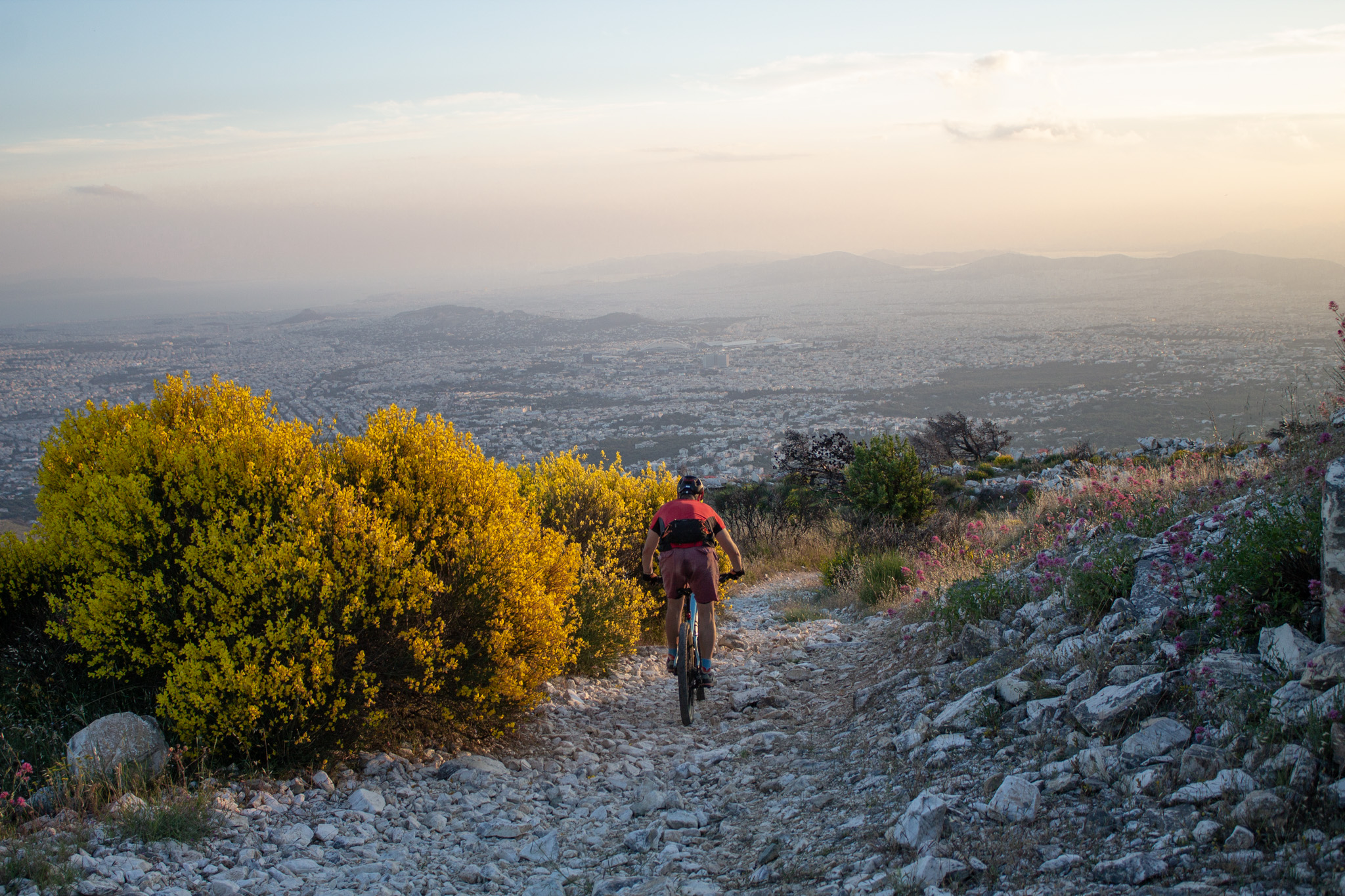
Few mountains combine mountain biking and history as seamlessly as Mount Penteli. This route passes through ancient marble quarries, Byzantine monuments, historic transport routes and rugged rocky trails. Along the way, it encounters the legends of the famous Davelis Cave and follows the path once used to transport the massive blocks of Pentelic marble to Athens, where they were transformed into some of the city’s most iconic monuments.
INTRODUCTION
Mount Penteli, also known as Pentelikon, rises just north of Athens, forming a natural boundary between the Attica Basin and the Marathon plain. With its distinctive pyramid-shaped profile, it reaches 1,109 m at its highest summit, Pyrgari Peak. The mountain is known for its bright white limestone and marble formations, its pine forests—where they have survived repeated wildfires—and the springs that emerge from its slopes.
In antiquity, the mountain was known as Vrilissos, a name roughly translated as “strong stone”, and appears in the writings of ancient historians such as Herodotus and Thucydides. The name Penteli emerged later, around the 3rd century BC, initially referring to the nearby settlement rather than the mountain itself. The term Pentelikon eventually became associated with the mountain overlooking the village.
Penteli’s fame is inseparable from its marble. The mountain’s quarries supplied the world-renowned Pentelic marble used to build the Acropolis of Athens, the Temple of Olympian Zeus and many of Greece’s most celebrated monuments. Marble was extracted from several sites across the mountain, including the Cave of the Blameless Ones, better known today as Davelis Cave. During antiquity, a sanctuary dedicated to the Nymphs operated within the cave, serving as both a place of worship and a refuge for quarry workers.
From the 10th century AD onwards, numerous Christian churches and monasteries were established on the mountain, gradually transforming Penteli into an important religious landscape. During the Ottoman period, its caves and rugged terrain provided shelter for local resistance fighters operating around Athens and Marousi. Following the establishment of the modern Greek state, the first permanent settlers arrived, many of them Sarakatsani shepherds from the wider Marathon region.
During the German occupation in World War II, Penteli again became a refuge, this time for resistance groups fighting the occupying forces. In the decades that followed, the mountain gained a different role. Its clean air attracted thousands of tuberculosis patients who stayed in sanatoria and seasonal camps, hoping to benefit from the healthy mountain climate. During summer, more than 10,000 people were living on the mountain, most of them in temporary tents.
The last few decades have been particularly harsh for Penteli. Four major wildfires (1995, 1998, 2007 and 2024) have devastated large sections of the mountain, while expanding urban development has significantly limited its natural recovery.
Despite these challenges, Penteli remains an important ecological refuge. More than 1,100 plant species have been recorded here, including the local endemic species Verbascum pentelicum. Wildlife includes foxes, hares and weasels, while birds of prey such as short-toed snake eagles and common buzzards can still be observed soaring above the slopes. Davelis Cave is also home to the endemic cave cricket Dolichopoda petrochilosi, a species found in only four caves in Attica and nowhere else in the world.
ROUTE DESCRIPTION
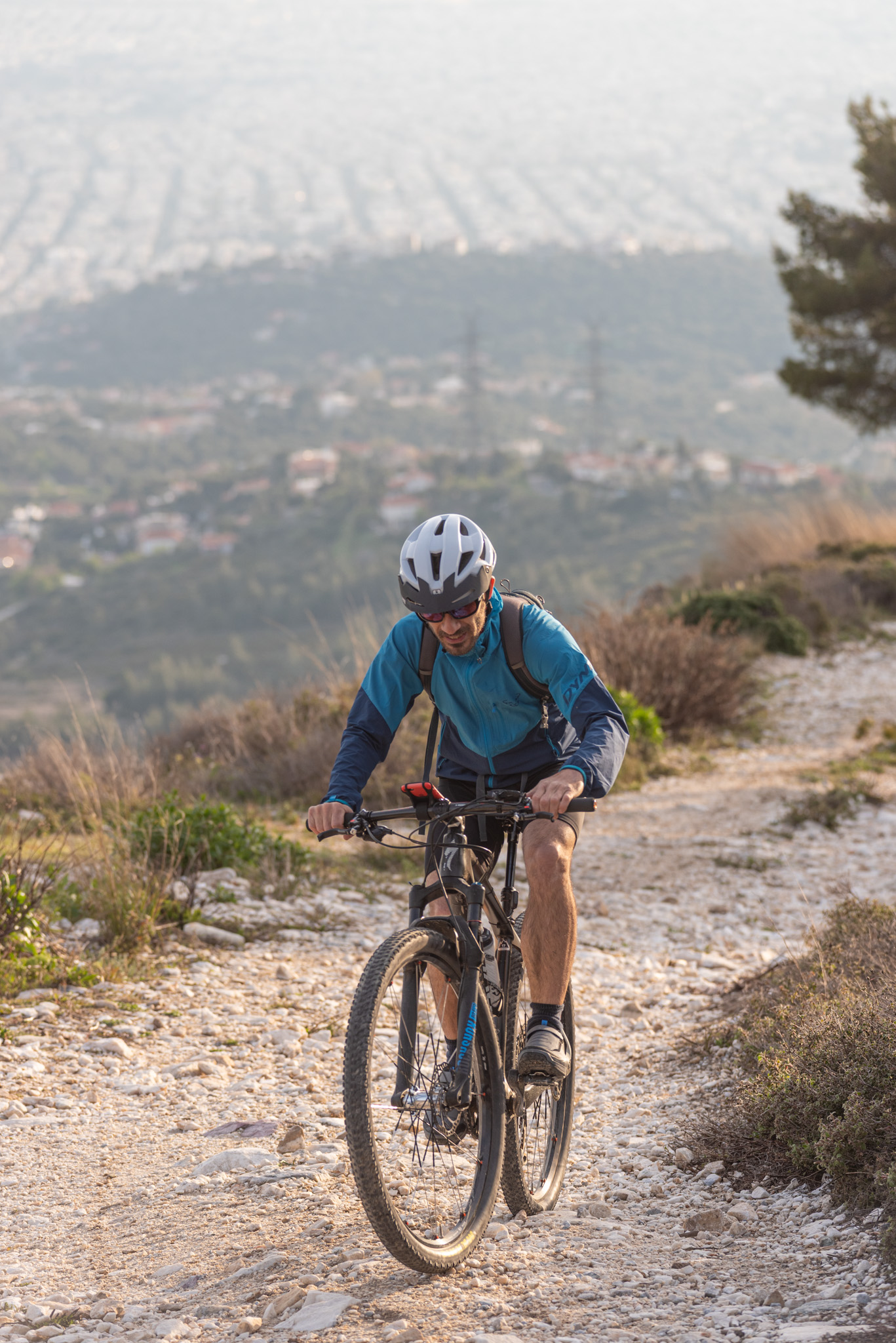
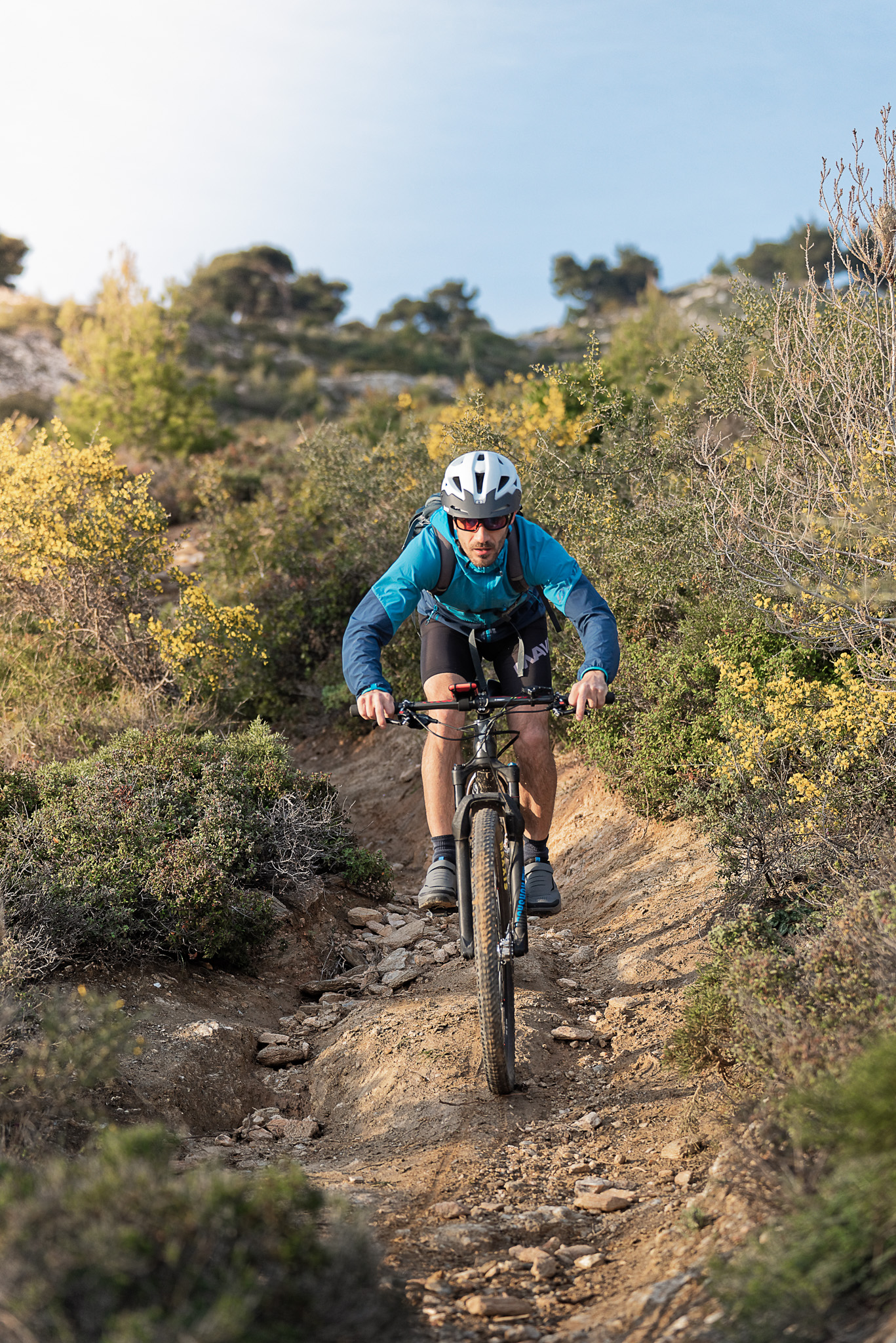
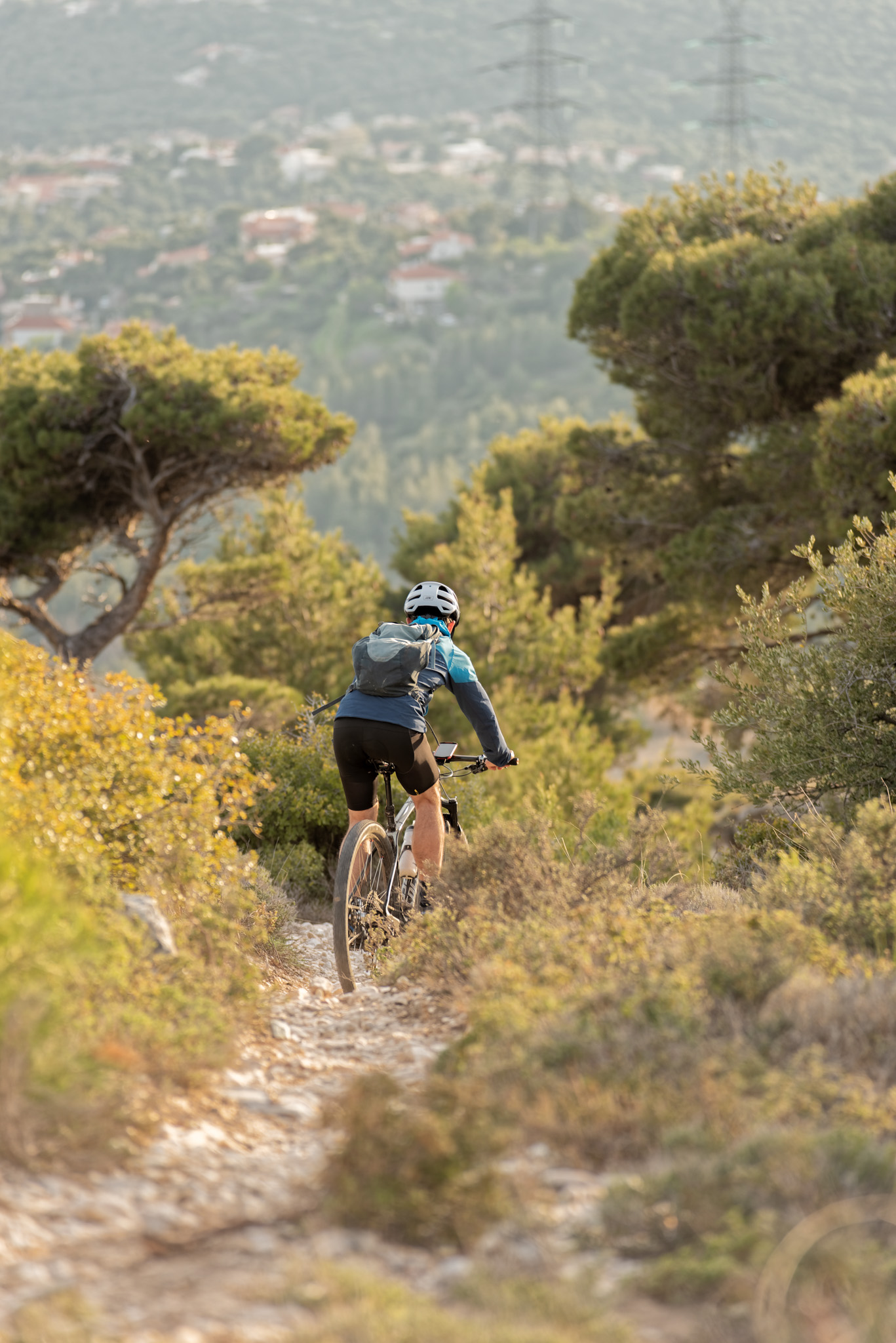
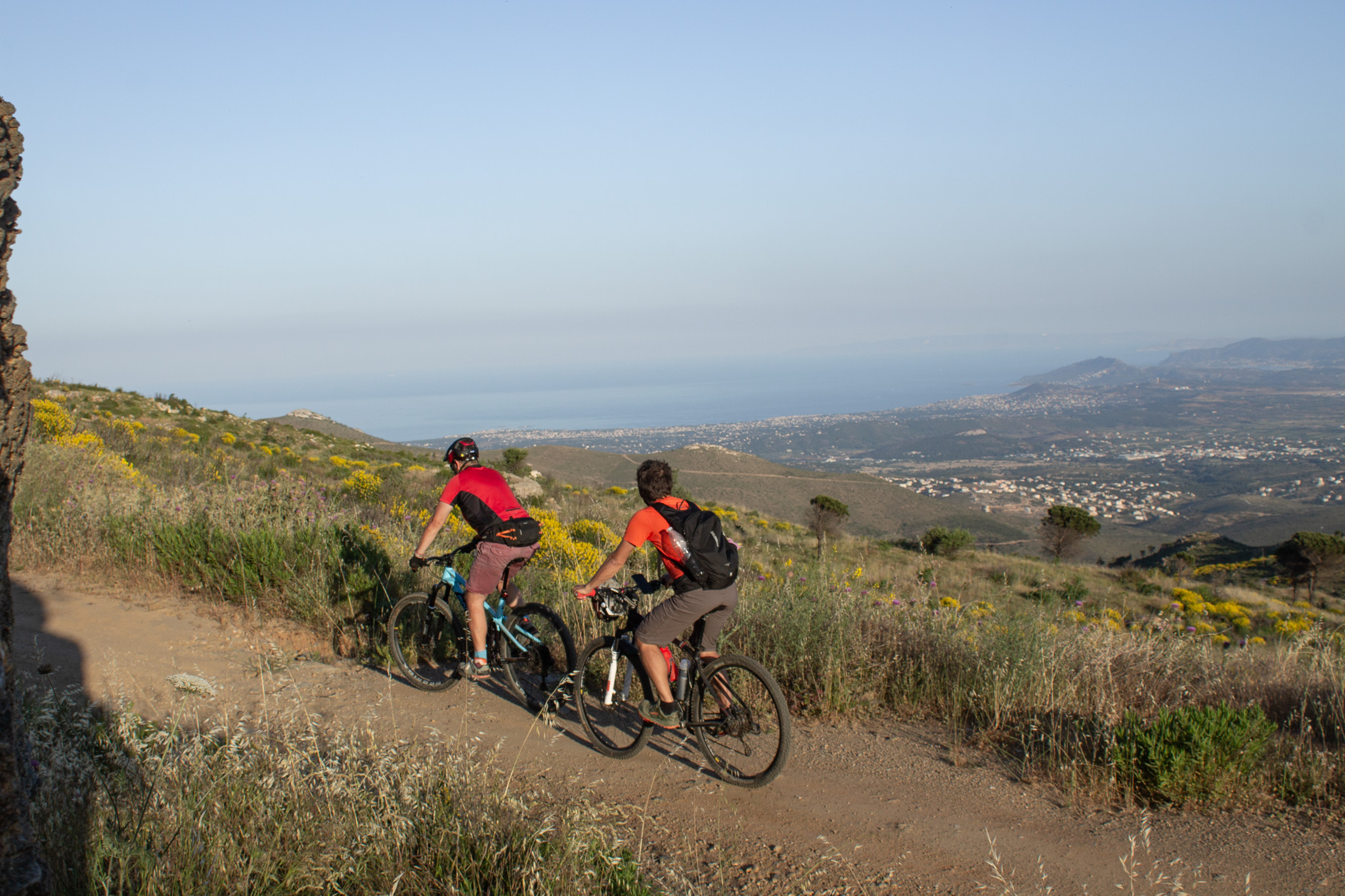
This route is considered one of the benchmark mountain bike adventures in the mountains surrounding Athens. It combines long stretches of singletrack, narrow dirt roads and constant panoramic views over the Athens Basin, while passing a remarkable collection of ancient, Byzantine and modern landmarks.
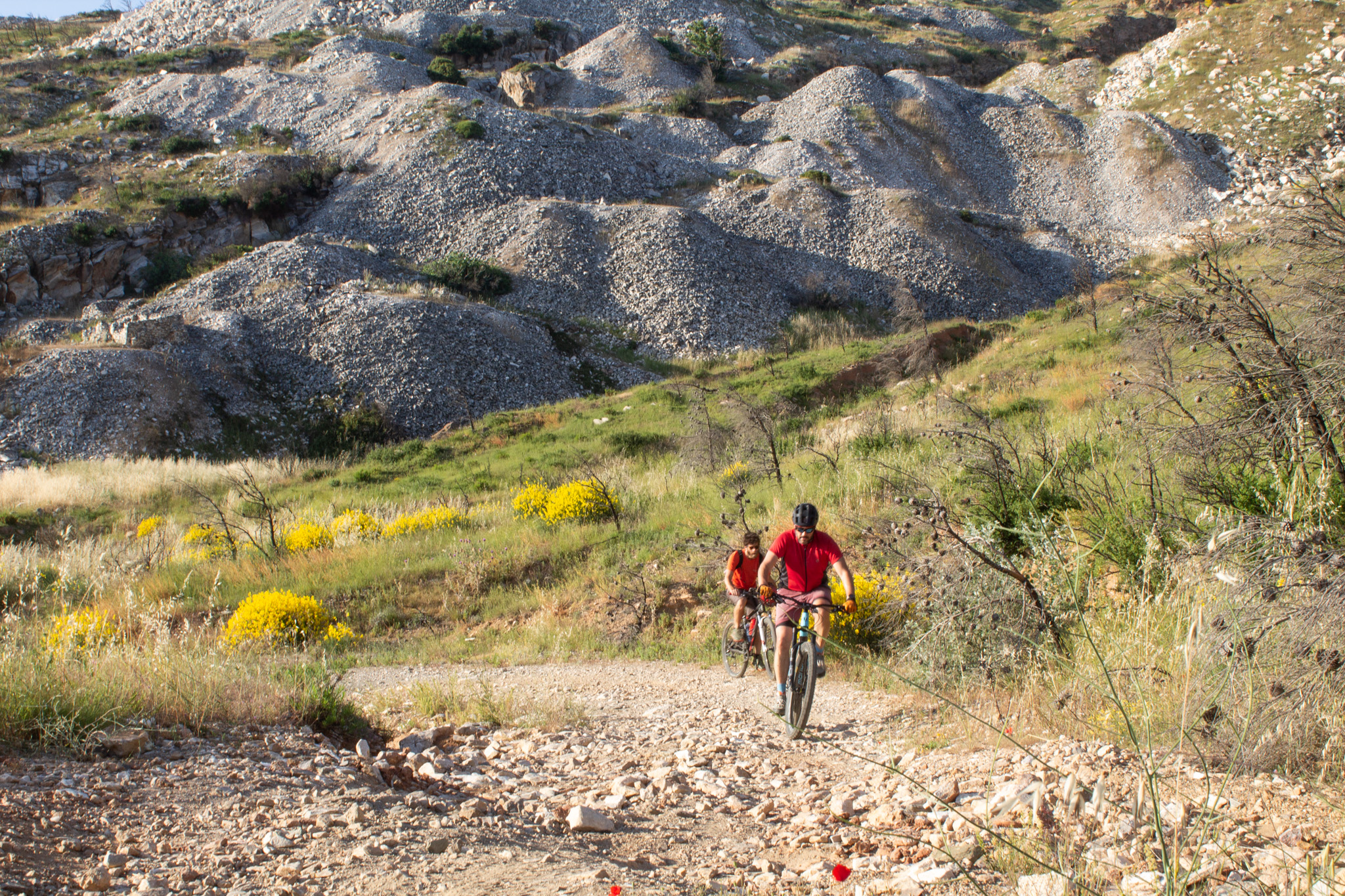
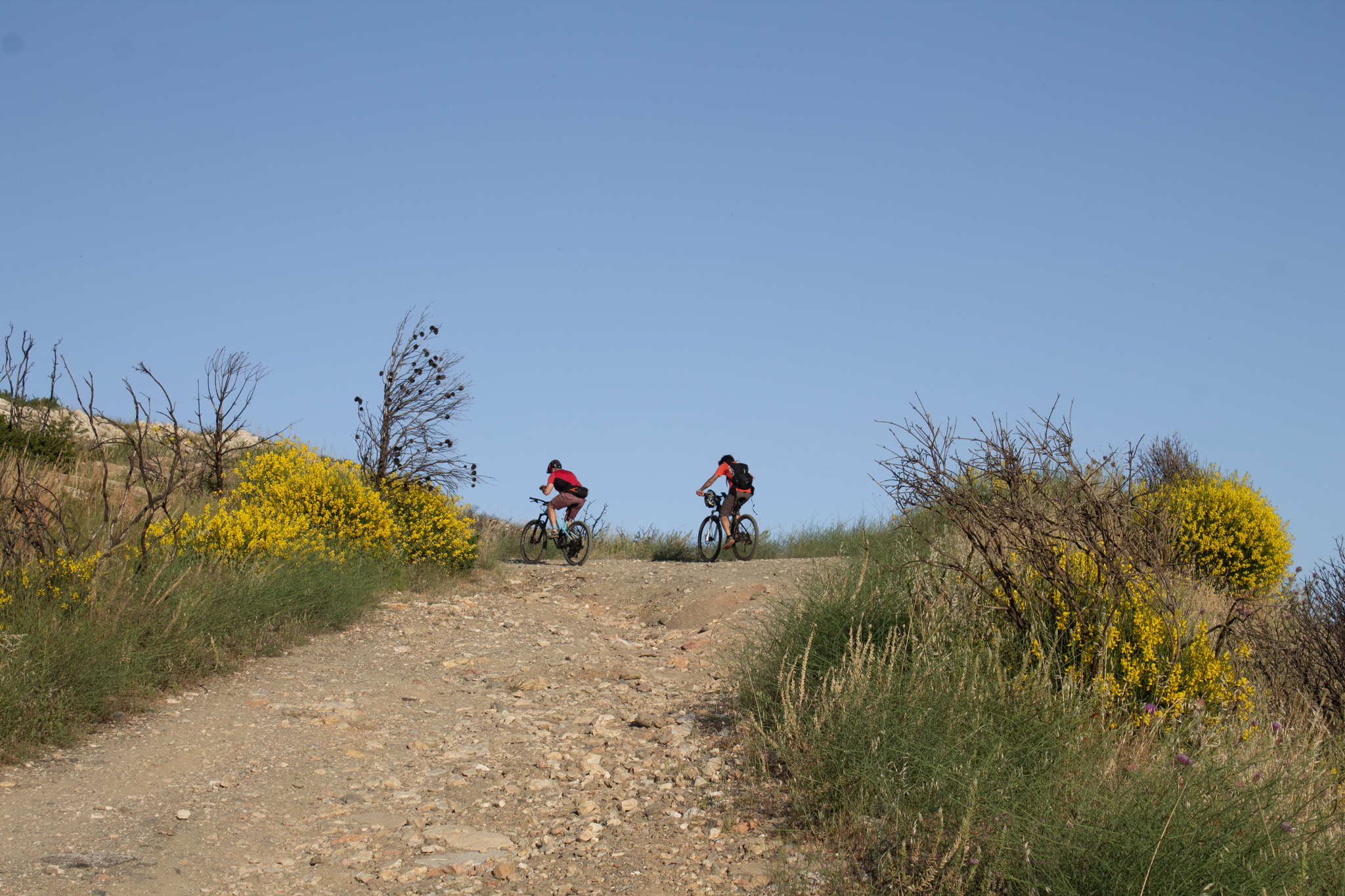
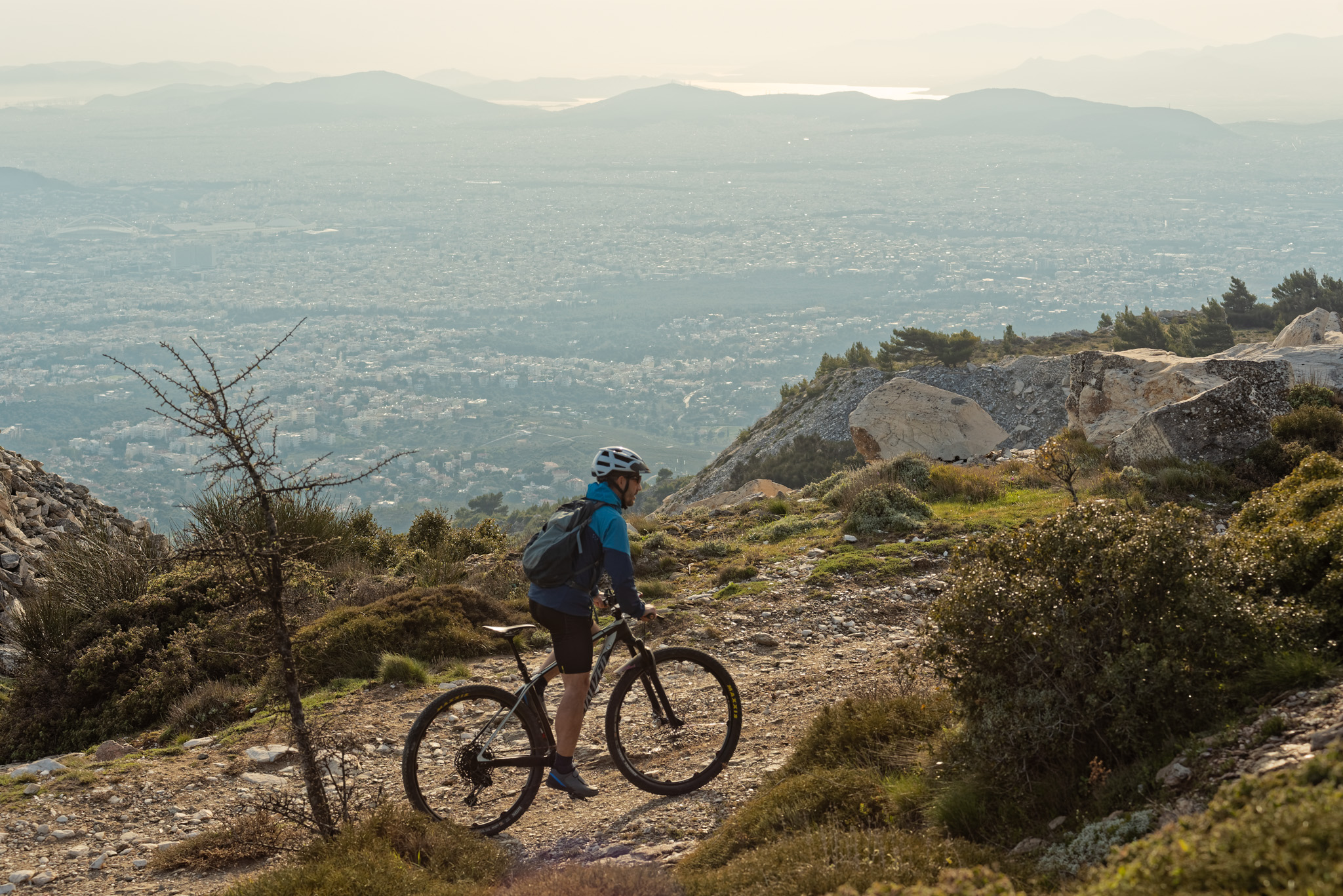
Starting from the square of Old Penteli, the route climbs onto the southern slopes of the mountain. The opening kilometres are demanding, following steep and rough dirt roads that will test both legs and lungs. The route then traverses the entire southern face of Penteli through a landscape shaped by historic marble quarries—deep scars on the mountain’s surface, yet accompanied by spectacular views across Athens and the Saronic Gulf.
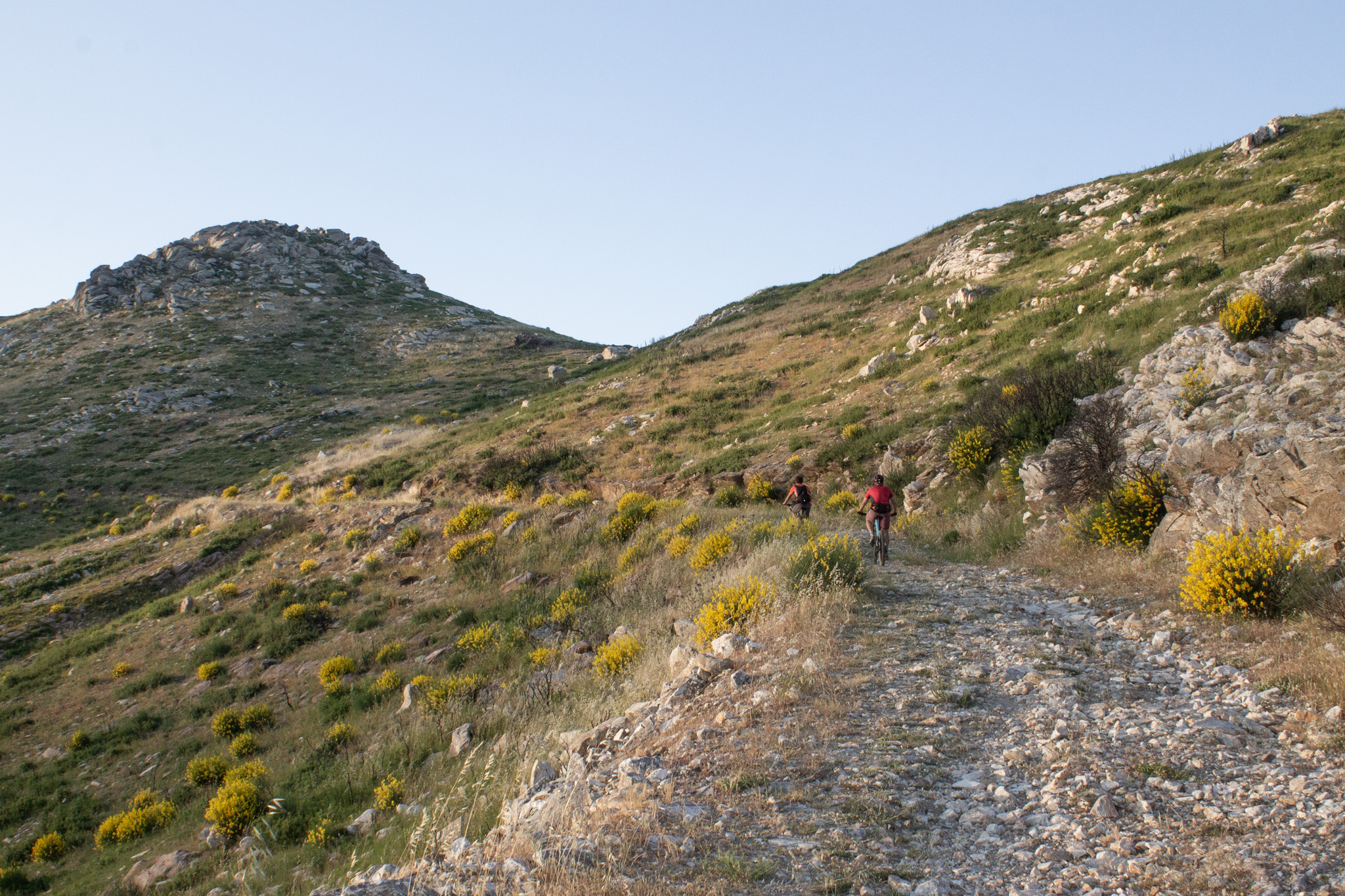
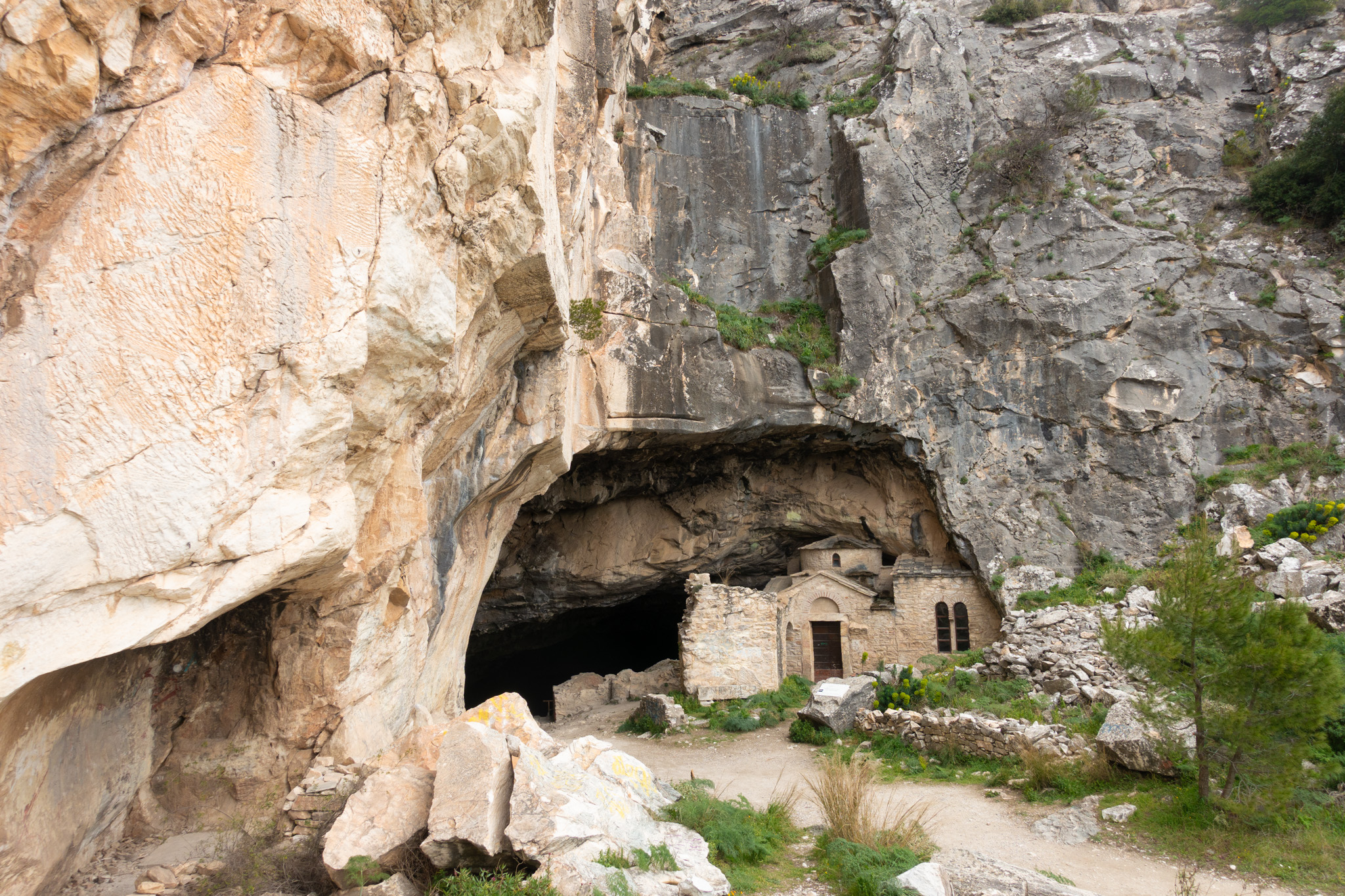
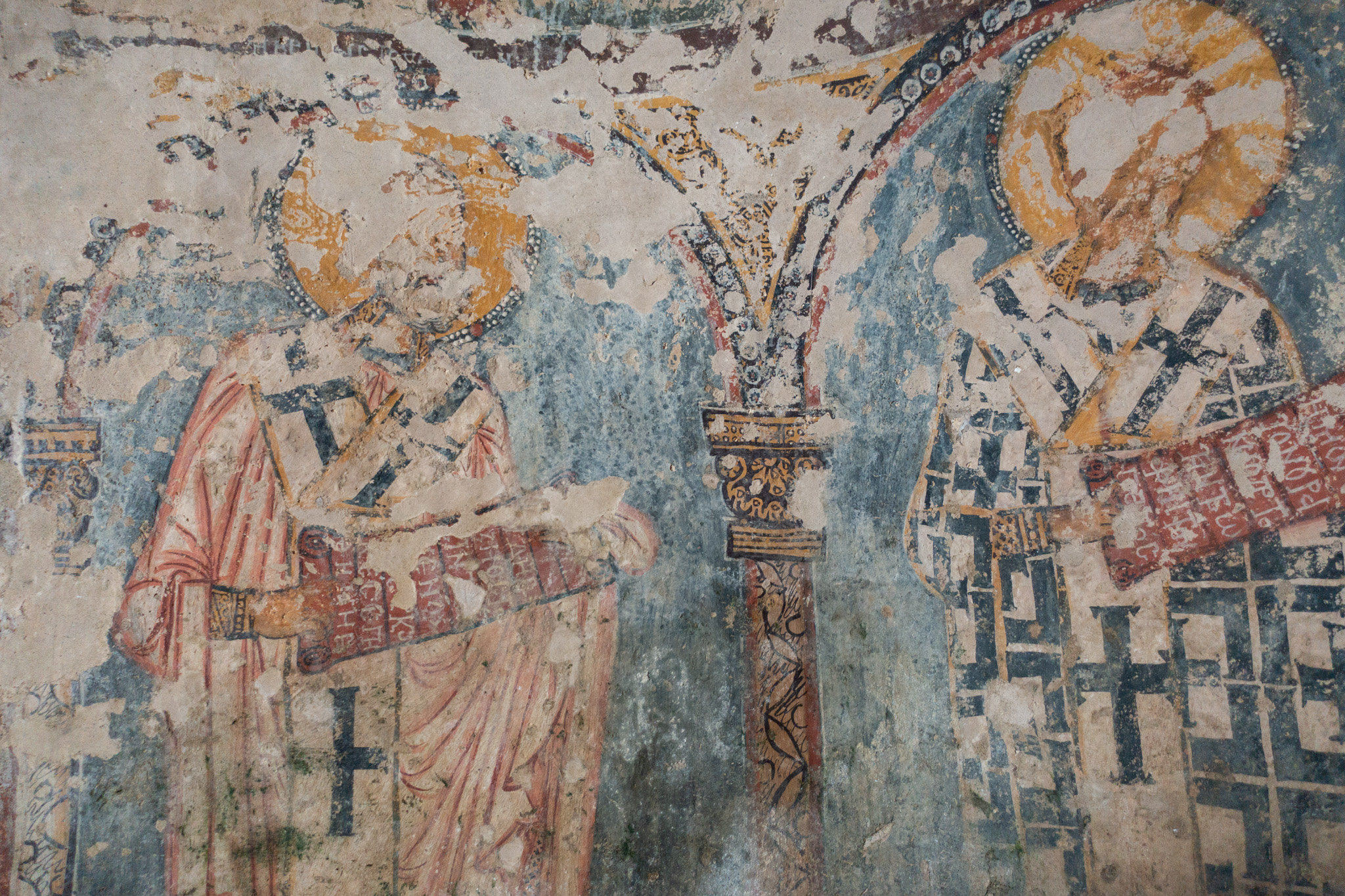
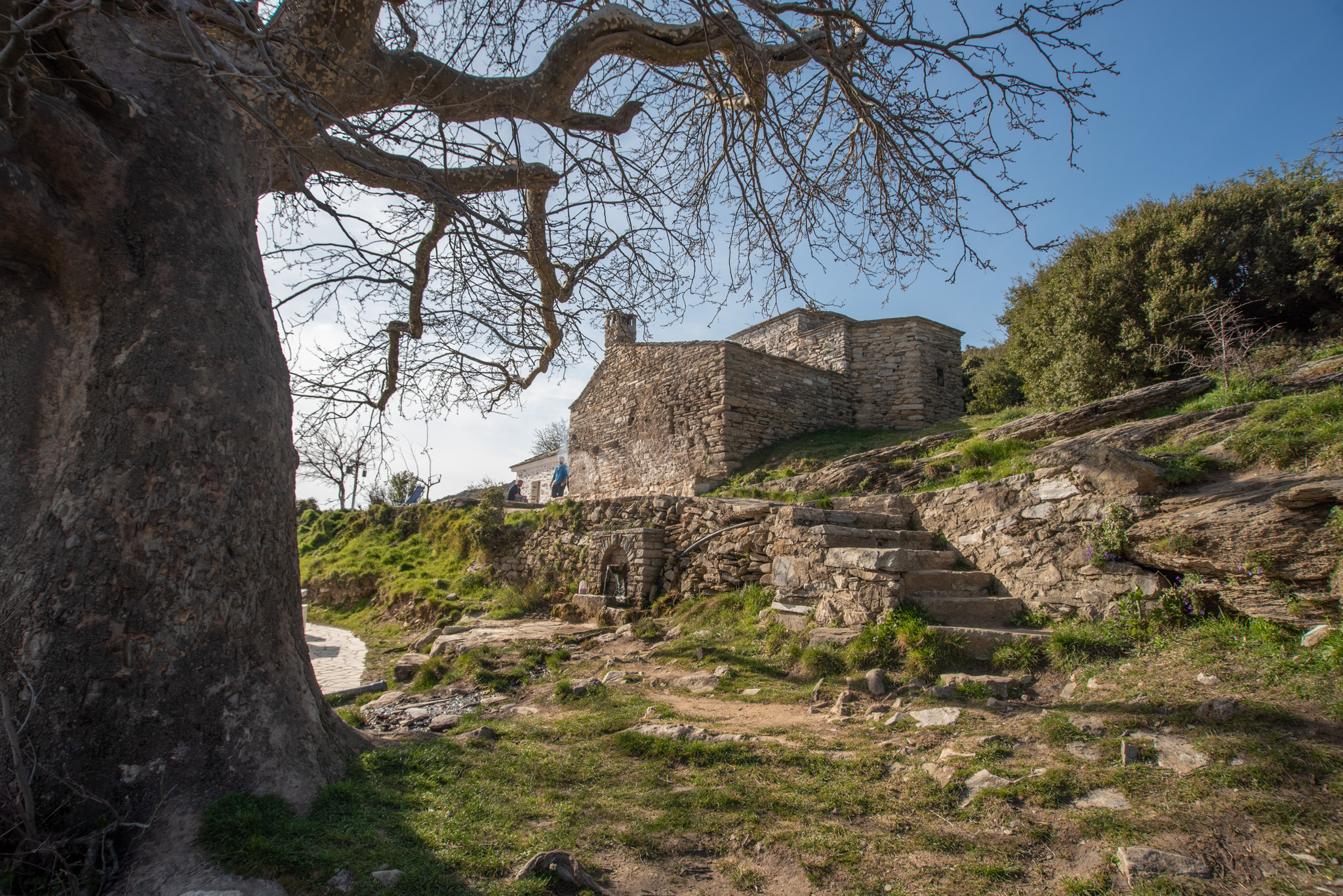
As the route approaches its highest point, just below the summit, the reward begins. Rocky jeep tracks alternate with flowing singletrack in a long descent of approximately 5 km. Along the way, riders pass the small chapel of Saint John the Quarryman, next to a spring with cold mountain water, before reaching the famous Davelis Cave and the stone-built Byzantine chapel of Saint Spyridon dating from the 12th century.
From the very place where the marble blocks once began their journey towards the Parthenon, the route joins the historic Marble Transport Road (“Lithagogia Road”). What follows is one of the highlights of the ride: a superb descending trail, technical in its upper section and increasingly fast and flowing lower down. It leads all the way back to the starting point and more than justifies every drop of sweat spent on the climb.
Although the overall distance is not particularly long, the steep gradients and demanding terrain make this a physically challenging route. Riders with limited off-road experience may find certain sections difficult. Despite the mountain’s altitude and the presence of water sources along the route, riding is not recommended during extremely hot summer days, as most of the route faces south and offers limited shade due to sparse vegetation.
12.4 km.
ROAD
DIRTROAD
BAD DIRTROAD
PATH
12.4 km.
ROAD
DIRTROAD
BAD DIRTROAD
PATH
ROAD
BAD DIRTROAD
DIRTROAD
PATH
GALLERY
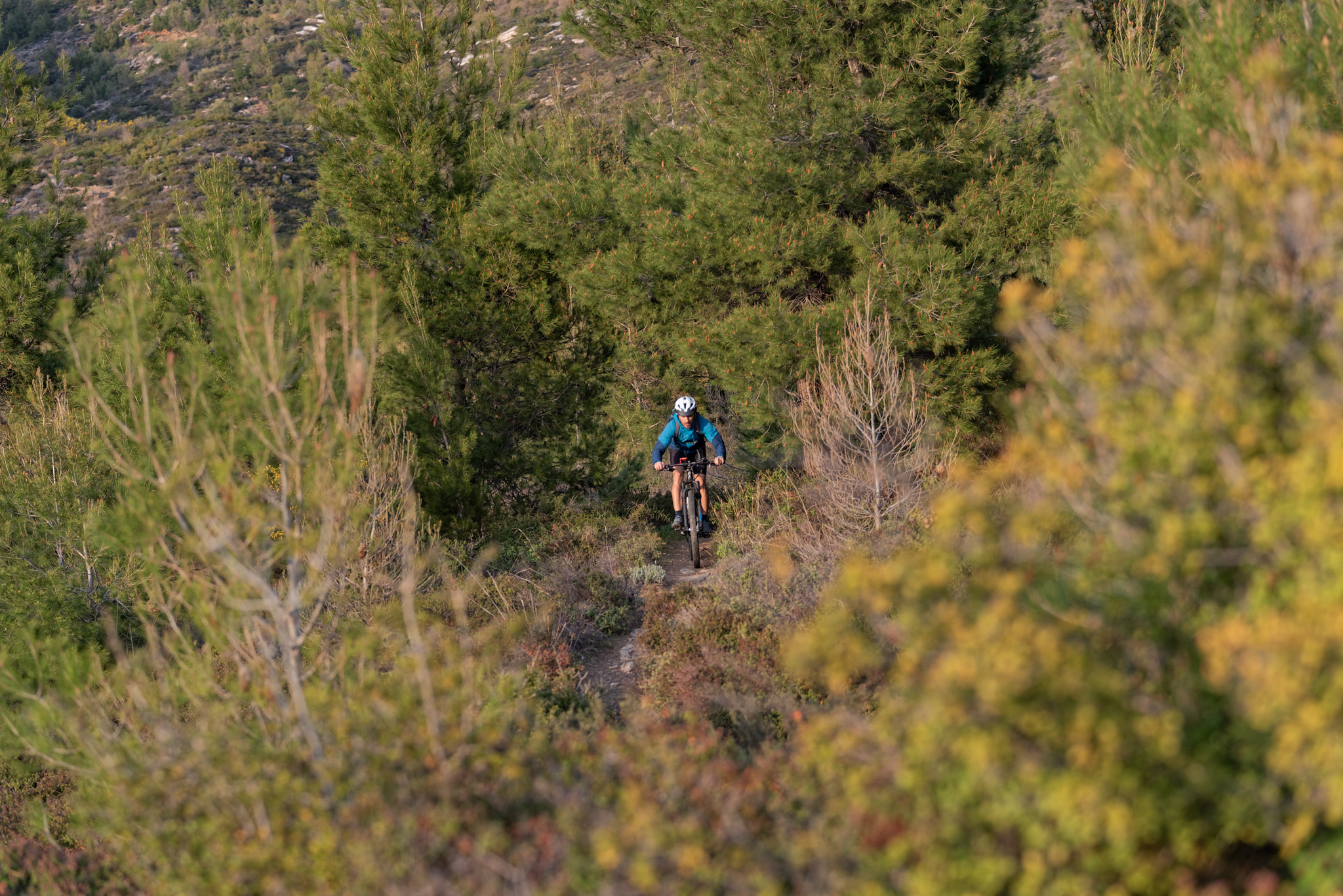
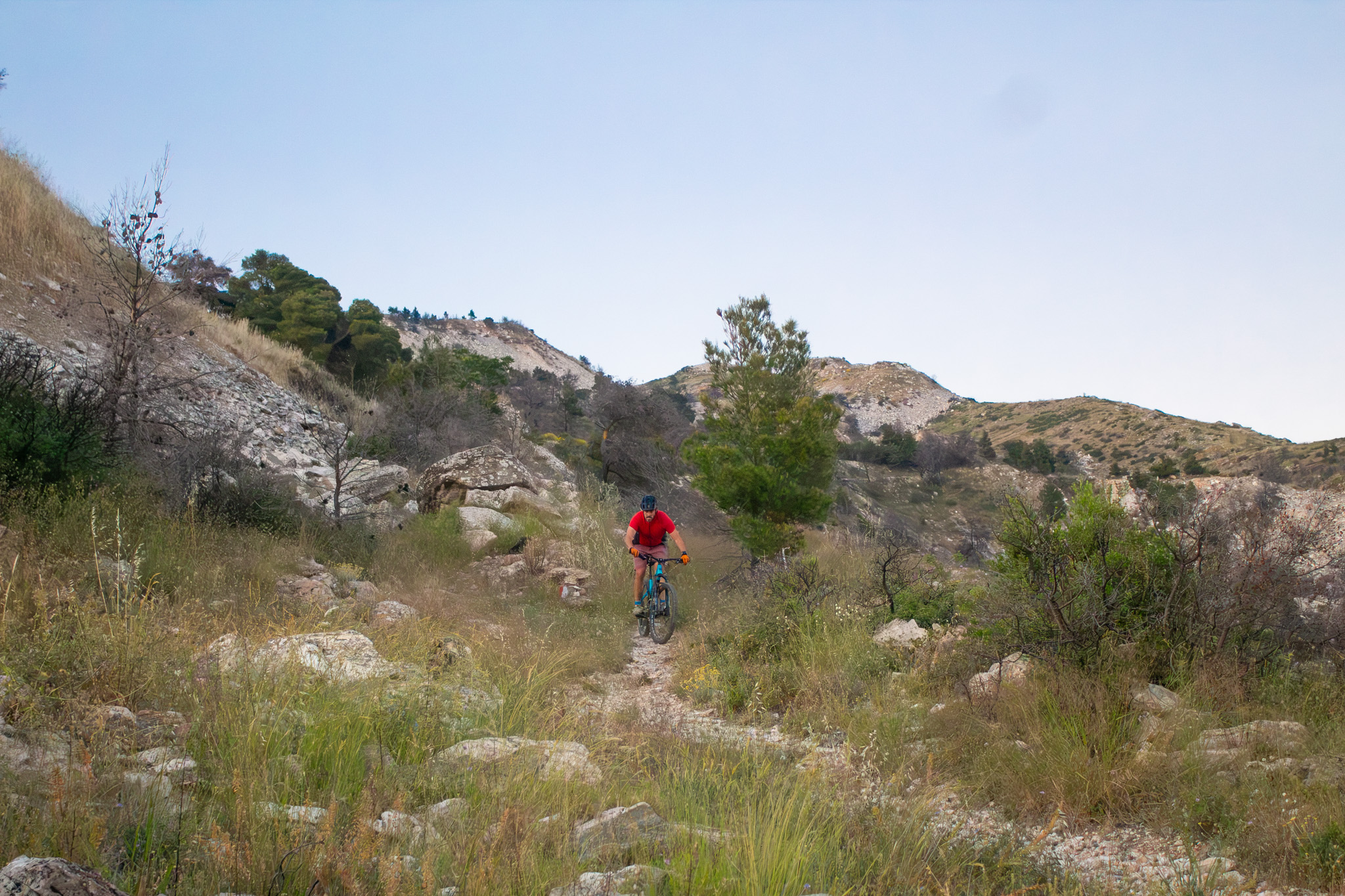
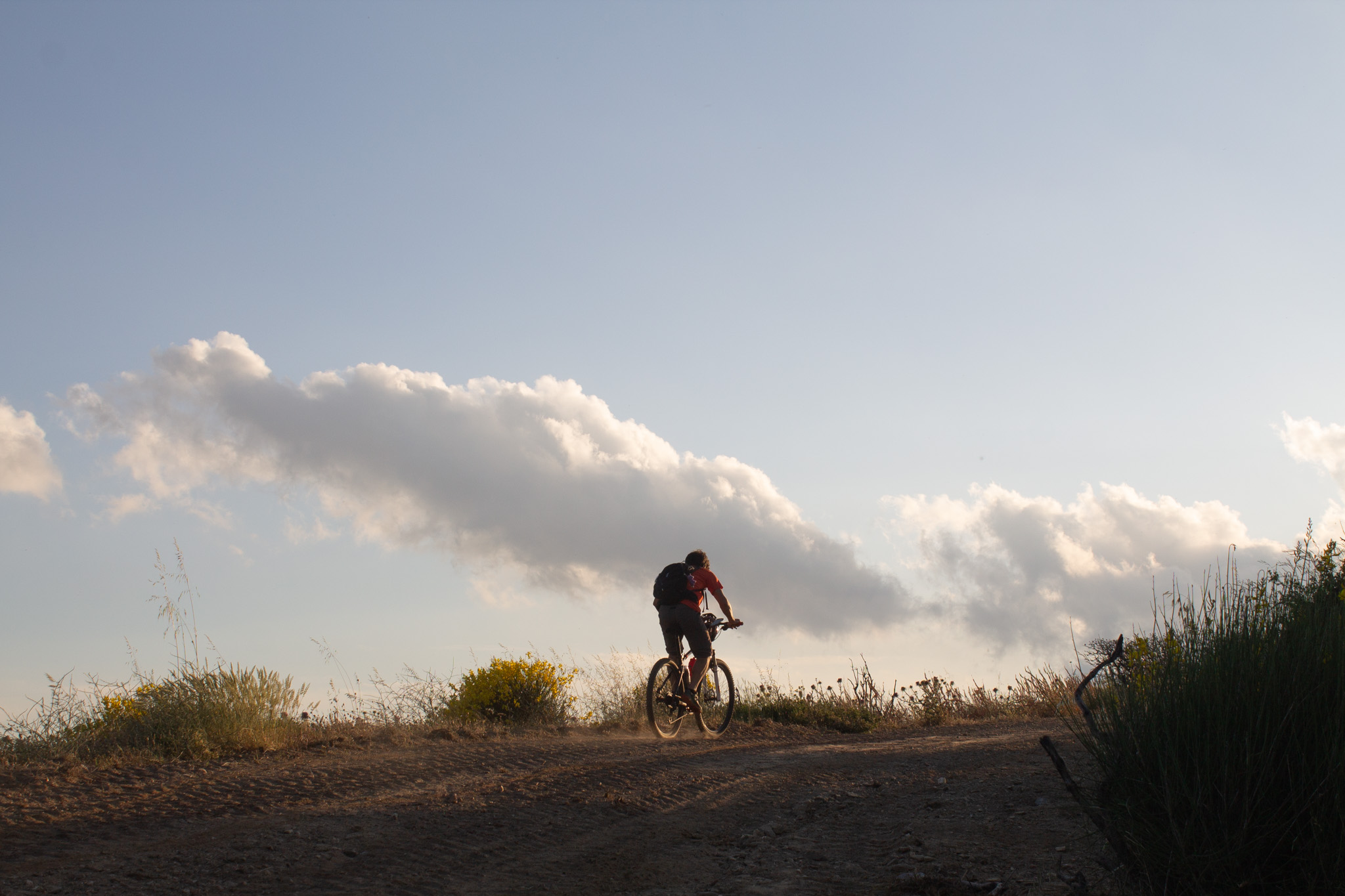
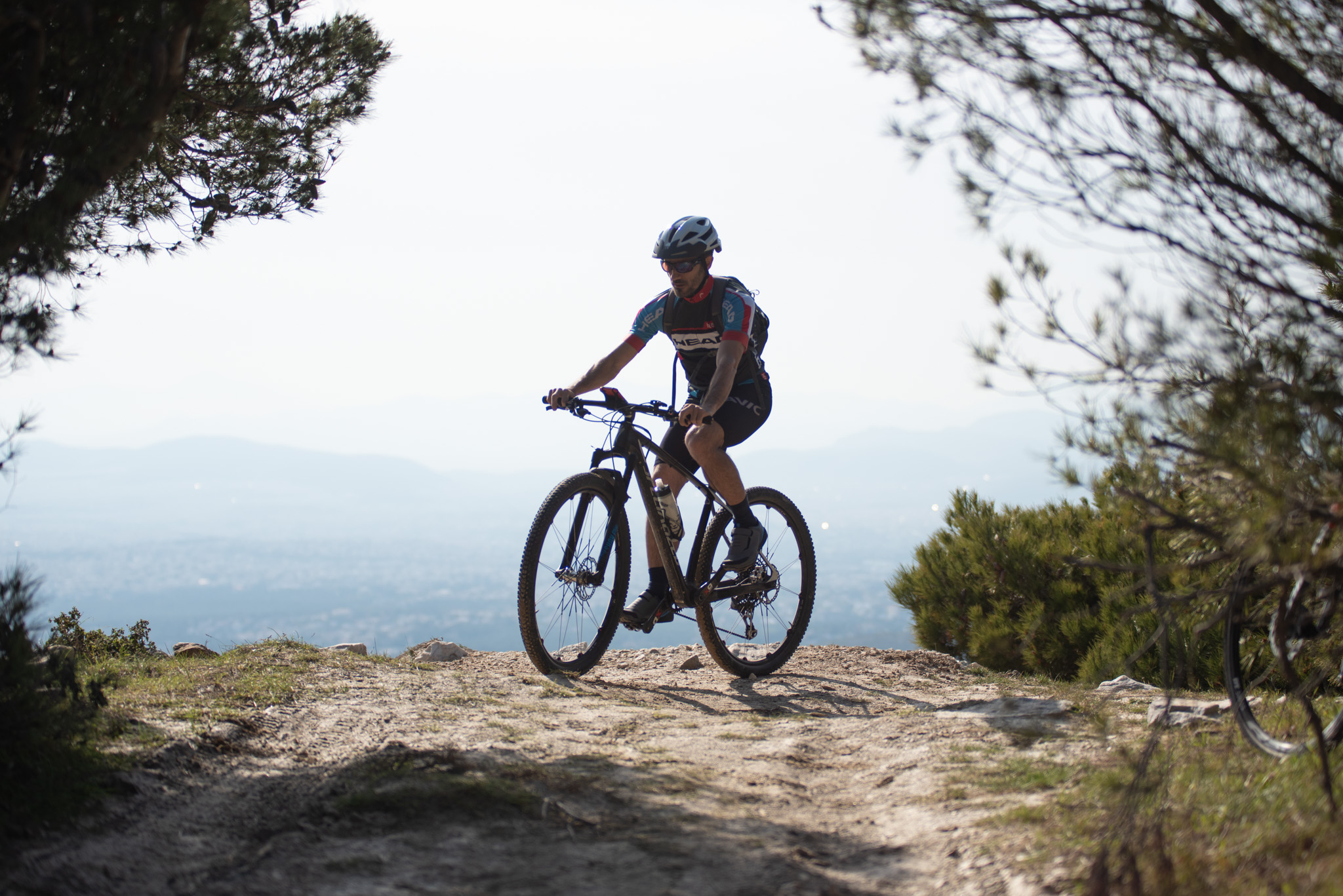
- PENTELIC MARBLE
The word marble originates from the ancient Greek verb marmairo, meaning “to shine”. Geologically, marble is a metamorphic rock formed when limestone is subjected to intense heat and pressure deep within the Earth. Its main mineral component is calcite, while traces of other minerals influence its final colour and texture.
Among all the marbles quarried in the ancient world, Pentelic marble became one of the most prized. Its exceptional purity, brilliant white colour and subtle golden hue gave it a unique appearance, especially under the famous Attic sunlight. These qualities made it the preferred building material for many of the masterpieces of Classical Greece.
Organised quarrying on Mount Penteli is believed to have begun during the 6th century BC. Over the following centuries, vast quantities of marble were extracted from the mountain and transported to Athens to supply some of the most ambitious construction projects of the ancient world.
The most famous quarry lies near Davelis Cave, on the southern slopes of the mountain at an altitude of approximately 700 metres. Archaeological evidence suggests that workers detached marble blocks using iron bars and bronze wedges before roughly shaping them on site to reduce their weight for transport.
Moving these enormous blocks from the mountain to Athens was an engineering achievement in itself. The marble travelled along a specially constructed route known as the Marble Transport Road (Lithagogia Odos), parts of which still survive today and are crossed by this route. Massive four-wheeled carts, aided by ropes, pulleys, winches and counterweights, carried the stone from the quarries to the Acropolis. Historians estimate that around twenty carts operated continuously and that a single journey required nearly six hours.
Once in Athens, the marble had to be raised to the top of the Acropolis. Ancient engineers developed sophisticated lifting systems using wooden cranes, large pulleys and counterweights—technology remarkably advanced for its time. These machines were capable of lifting blocks weighing up to ten tonnes to heights of fifteen metres in only twenty minutes.
The construction of the Parthenon alone required approximately 20,000 tonnes of Pentelic marble and was completed in just eight years. Thousands of craftsmen contributed to the project, including sculptors, carpenters, metalworkers, rope makers and stonemasons. According to tradition, even the young philosopher Socrates may have worked as a stonecutter before becoming one of history’s most influential thinkers.
Pentelic marble was not used exclusively for the Acropolis. It became one of ancient Athens’ most valuable exports and can be found in monuments throughout Greece. In modern times it was also used in many of the city’s landmark buildings, including the National Library, the Academy of Athens, the Zappeion Hall, the Marathon Dam and the former Hilton Hotel.
Today, most of Penteli’s quarries have fallen silent. Their vast excavation faces remain etched into the mountainside, serving as a reminder of the immense human effort that shaped both the landscape and some of the greatest monuments of Western civilisation. Quarrying continues only on a limited scale in the Dionysovouni area, on the road between Dionysos and Rapentosa.
ROAD BOOK
| Distance between points | Total distance | Description | |
|---|---|---|---|
| 0 | 0 |  |
Start from the square of Old Penteli. Follow the road towards Nea Makri. |
| 0.8 | 0.8 |  |
At the exit of Old Penteli, leave the asphalt road (at the old playground) and continue diagonally left onto Asomaton Street. Immediately afterwards, keep right at the fork towards Krya Vrysi (Cold Spring). |
| 0.8 | 1.6 |  |
At the top of the steep climb, turn diagonally left and back. Immediately afterwards, keep right at the fork towards Agioi Asomatoi. |
| 1.3 | 2.9 |  |
At the top of the second steep climb, turn sharply right and back. |
| 0.2 | 3.1 |  |
At the end of the third climb, turn left. |
| 0.3 | 3.4 |  |
Ignore the first road branching diagonally left and back. |
| 1.0 | 4.4 |  |
At the large open area and junction, take the road diagonally left and back. |
| 0.9 | 5.3 |  |
At the top of the climb, continue straight ahead (ignore the road on the right). |
| 0.2 | 5.5 |  |
At the end of the road, turn right towards the summit. |
| 0.9 | 6.4 |  |
At the fork, take the left descending branch. |
| 1.6 | 8.0 |  |
At the end of the steep descent, turn left onto the paved road and immediately left again onto a trail. |
| 0.3 | 8.3 |  |
At the chapel and spring, continue diagonally right onto the trail. |
| 0.2 | 8.5 | |
At the end of the trail, turn left onto the dirt road. |
| 0.6 | 9.1 |  |
At the first fork, keep right. |
| 0.7 | 9.2 | |
Keep right again at the second fork. |
| 0.6 | 9.8 |  |
Opposite Davelis Cave, turn left onto the trail (Marble Transport Road / Lithagogia Road). |
| 0.1 | 9.9 | |
At the trail fork, keep left. |
| 0.7 | 10.6 |  |
Cross the first dirt road and continue straight ahead on the trail. |
| 1.0 | 11.6 | |
At the dirt road, turn left. |
| 0.1 | 11.7 | |
Shortly afterwards, take the trail diagonally right. |
| 0.1 | 11.8 | |
At the end of the trail, turn left onto the dirt road. |
| 0.4 | 12.2 | |
At the paved road, turn left to return to the starting point. |